


As a supplier of Modern Copper Relief, I've witnessed firsthand the allure and artistic potential of this medium. Creating a harmonious composition in Modern Copper Relief is both an art and a science. It requires a deep understanding of design principles, the properties of copper, and the intended message or aesthetic you wish to convey. In this blog, I'll share some insights and techniques on how to achieve a harmonious composition in Modern Copper Relief.
Understanding the Basics of Composition
Composition is the arrangement of visual elements in an artwork to create a sense of balance, unity, and visual interest. In Modern Copper Relief, this involves considering factors such as the placement of forms, the use of negative space, and the distribution of visual weight.
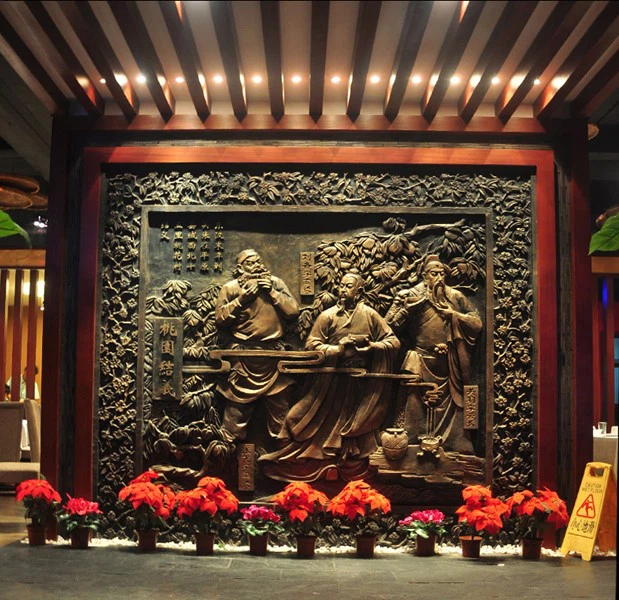
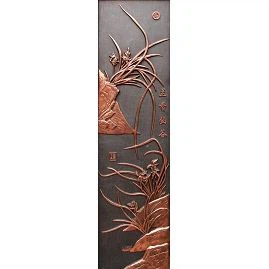
Balance
Balance is crucial in creating a harmonious composition. There are two main types of balance: symmetrical and asymmetrical. Symmetrical balance involves creating a mirror image on either side of a central axis, which can create a sense of stability and formality. Asymmetrical balance, on the other hand, involves distributing visual weight unevenly but still achieving a sense of equilibrium. This can create a more dynamic and engaging composition.
For example, in a Modern Copper Relief depicting a cityscape, you might use symmetrical balance to create a sense of order and stability in the background buildings. However, you could introduce asymmetrical balance by adding a large, irregularly shaped tree in the foreground, which draws the viewer's eye and adds visual interest.
Unity
Unity refers to the sense of oneness or coherence in a composition. All the elements in a Modern Copper Relief should work together to create a unified whole. This can be achieved through the use of similar colors, shapes, or textures, as well as through the repetition of certain elements.
For instance, if you're creating a relief with a nature theme, you might use a consistent color palette of greens and browns to create a sense of unity. You could also repeat the shape of leaves or branches throughout the composition to tie the elements together.
Visual Interest
Visual interest is what draws the viewer into a composition and keeps them engaged. This can be achieved through the use of contrast, variety, and focal points.
Contrast can be created through differences in size, shape, color, or texture. For example, a smooth, shiny copper surface can be contrasted with a rough, textured area to create visual interest. Variety can be added by incorporating different types of forms or elements into the composition. A focal point is an area of emphasis in the composition that draws the viewer's attention. This could be a large, brightly colored element or a unique shape.
Working with Copper
Copper is a versatile and malleable metal that offers many possibilities for creating Modern Copper Relief. However, it also has its own unique properties that need to be considered when working with it.
Texture
One of the advantages of copper is its ability to hold texture. Texture can add depth and visual interest to a relief. You can create texture in copper through various techniques, such as hammering, etching, or embossing.
Hammering is a simple yet effective way to create texture. By using different types of hammers and striking the copper at different angles and pressures, you can create a variety of textures, from smooth curves to rough, jagged edges. Etching involves using chemicals to remove layers of copper and create a textured surface. Embossing is the process of raising a design or pattern on the surface of the copper.
Color
Copper has a natural reddish-brown color that can change over time due to oxidation. This patina can add character and depth to a Modern Copper Relief. You can also manipulate the color of copper through various techniques, such as applying patinas or paints.
Patinas are chemical solutions that react with the copper to create different colors and finishes. For example, a liver of sulfur patina can create a dark, antique look, while a ferric nitrate patina can create a greenish-blue color. Paints can also be used to add color to a relief, but it's important to choose paints that are suitable for use on metal.
Form
Copper can be shaped and formed into a variety of shapes and forms. You can use techniques such as bending, cutting, and welding to create the desired form for your relief.
When shaping copper, it's important to consider the thickness of the metal and the tools you'll be using. Thicker copper may require more force to bend or cut, while thinner copper may be more prone to damage. Welding can be used to join different pieces of copper together, but it requires specialized equipment and skills.
Incorporating Themes and Messages
A harmonious composition in Modern Copper Relief should not only be visually appealing but also convey a theme or message. This can add depth and meaning to the artwork.
Concept Development
Before starting a relief, it's important to develop a clear concept or idea. This could be based on a personal experience, a cultural theme, or a social issue. Once you have a concept, you can start to think about how to translate it into a visual form.
For example, if your concept is about environmental conservation, you might create a relief depicting a forest being destroyed by logging. You could use dark colors and rough textures to convey a sense of sadness and urgency.
Symbolism
Symbolism can be a powerful tool in conveying a theme or message in a Modern Copper Relief. Symbols are images or objects that represent something else. For example, a dove is often used as a symbol of peace, while a tree can represent life and growth.
Incorporating symbols into your relief can help to communicate your message more effectively. For example, if you're creating a relief about hope, you might include a sunrise or a flower bud as a symbol of new beginnings.
Seeking Inspiration
Inspiration can come from many sources, such as nature, art history, or everyday life. As a supplier of Modern Copper Relief, I often look at different types of art and design to find new ideas and techniques.
Art History
Studying art history can provide valuable insights into different styles and techniques of composition. You can look at works from different periods and cultures to see how artists have used balance, unity, and visual interest in their art.
For example, the ancient Greeks were known for their use of symmetrical balance in their sculptures. By studying their works, you can learn how to create a sense of order and stability in your own Modern Copper Relief.
Nature
Nature is a rich source of inspiration for artists. The shapes, colors, and textures found in nature can be used to create beautiful and harmonious compositions in Modern Copper Relief.
For instance, the patterns on a butterfly's wings or the curves of a seashell can inspire unique and interesting forms in a relief. You can also observe how nature uses balance and unity in its designs, such as the way a tree's branches are arranged to create a sense of equilibrium.
Everyday Life
Everyday life can also provide inspiration for Modern Copper Relief. You can look at the objects and scenes around you and think about how you could translate them into a relief.
For example, a busy city street with its cars, buildings, and people could be a great source of inspiration for a relief. You could use the different shapes and colors of the objects to create a dynamic and engaging composition.
Conclusion
Creating a harmonious composition in Modern Copper Relief requires a combination of design skills, technical knowledge, and creativity. By understanding the basics of composition, working with the properties of copper, incorporating themes and messages, and seeking inspiration, you can create beautiful and meaningful reliefs.
If you're interested in purchasing Museum-quality Copper Wall Relief, Chinese-style Copper Relief, or Modern Copper Relief, please visit our website: Museum-quality Copper Wall Relief, Chinese-style Copper Relief, Modern Copper Relief. We're always happy to discuss your specific needs and requirements and look forward to working with you on your next project.
References
- Smith, John. The Art of Copper Relief. New York: Art Press, 2015.
- Johnson, Mary. Copperworking Techniques. London: Metal Arts Publishing, 2018.
- Brown, David. Composition in Art. Paris: Art Institute Press, 2020.
