


As a Corten steel artwork supplier, I've witnessed firsthand the remarkable performance of Corten steel in various environments. Corten steel, also known as weathering steel, has gained significant popularity in the art world due to its unique aesthetic and exceptional durability. One of the most intriguing aspects of Corten steel artwork is its ability to withstand extreme temperatures. In this blog post, I'll delve into how Corten steel artwork performs in both high and low-temperature conditions, exploring the science behind its resilience and showcasing some of our stunning pieces.
Understanding Corten Steel
Before we discuss its performance in extreme temperatures, let's briefly understand what Corten steel is. Corten steel is a group of steel alloys that were developed to eliminate the need for painting and to form a stable rust-like appearance when exposed to the elements. The alloying elements, such as copper, chromium, nickel, and phosphorus, react with the oxygen in the air to form a protective layer called patina. This patina not only gives Corten steel its distinctive orange-brown color but also acts as a barrier, preventing further corrosion and protecting the underlying metal.
High-Temperature Performance
Corten steel artwork can endure high temperatures quite well, making it suitable for outdoor installations in hot climates or near heat sources. When exposed to high temperatures, the patina on the surface of the Corten steel continues to develop and strengthen. The heat accelerates the oxidation process, causing the patina to form more quickly and become more stable. This enhanced patina provides better protection against corrosion, even in harsh environments.
One of the key factors contributing to Corten steel's high-temperature performance is its low thermal conductivity. Unlike some other metals, Corten steel does not conduct heat as readily, which means it can maintain its structural integrity even when exposed to extreme heat. This property is particularly important for large-scale art installations, where the steel needs to withstand the sun's intense rays without warping or deforming.
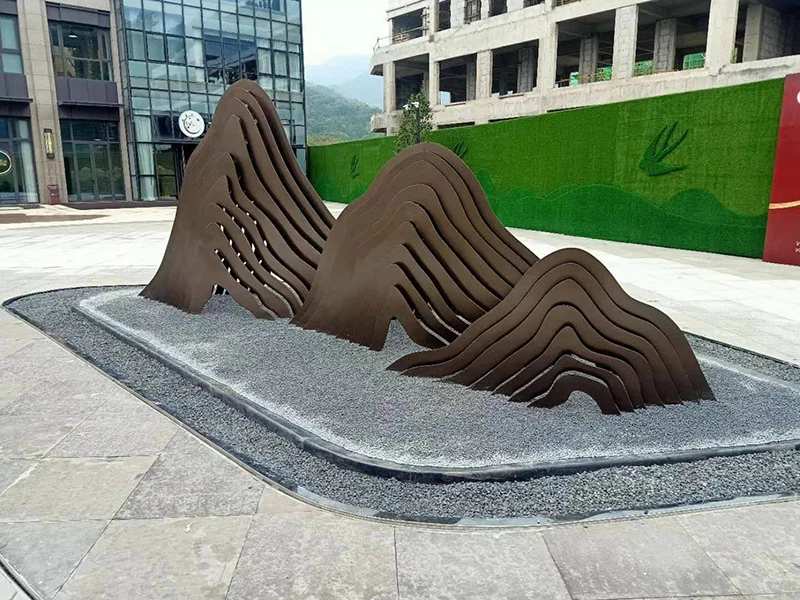
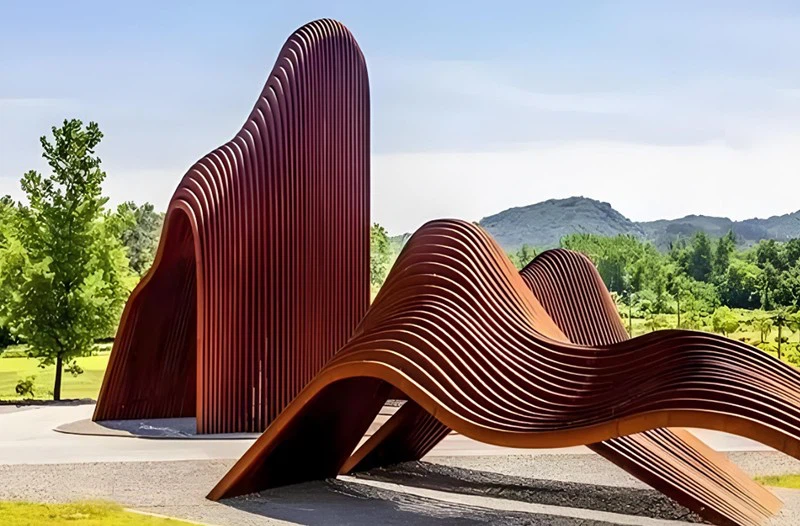
For example, our Modern Corten Mountain Design Sculpture is a large-scale, outdoor installation that has been exposed to high temperatures in various locations. Despite the scorching sun, the sculpture has retained its shape and integrity, with the patina continuing to develop and enhance its visual appeal over time.
Low-Temperature Performance
In addition to its high-temperature performance, Corten steel artwork also performs well in low-temperature conditions. When exposed to cold temperatures, Corten steel becomes more brittle, but its strength and durability remain intact. The patina on the surface of the steel provides an additional layer of protection, preventing moisture from seeping into the metal and causing rust.
One of the challenges of working with Corten steel in cold temperatures is the potential for ice and snow to accumulate on the surface. However, the rough texture of the patina helps to prevent ice from adhering to the steel, reducing the risk of damage caused by ice expansion. Additionally, the low thermal conductivity of Corten steel means that it does not cool down as quickly as some other metals, which helps to prevent the formation of ice and frost.
Our Corten Steel Moon Sculpture is a prime example of Corten steel's low-temperature performance. This sculpture has been installed in several locations with cold climates, and it has withstood harsh winters without any signs of damage. The patina on the surface of the sculpture has continued to develop, adding to its unique character and charm.
Factors Affecting Performance
While Corten steel artwork generally performs well in extreme temperatures, there are several factors that can affect its performance. These include the quality of the steel, the thickness of the patina, and the environmental conditions.
- Quality of the Steel: The quality of the Corten steel used in the artwork plays a crucial role in its performance. High-quality Corten steel contains the right balance of alloying elements, which ensures the formation of a stable and protective patina. Inferior quality steel may not develop a proper patina, which can lead to corrosion and damage over time.
- Thickness of the Patina: The thickness of the patina on the surface of the Corten steel also affects its performance. A thicker patina provides better protection against corrosion, but it may take longer to develop. In some cases, the patina may need to be artificially accelerated to ensure a uniform and protective layer.
- Environmental Conditions: The environmental conditions in which the Corten steel artwork is installed can also affect its performance. Factors such as humidity, pollution, and exposure to saltwater can all impact the development of the patina and the durability of the steel. In coastal areas, for example, the high salt content in the air can accelerate corrosion, requiring additional maintenance and protection.
Maintenance and Care
To ensure the long-term performance of Corten steel artwork in extreme temperatures, proper maintenance and care are essential. Here are some tips to help you keep your Corten steel artwork looking its best:
- Regular Cleaning: Regularly clean the surface of the Corten steel artwork to remove dirt, debris, and other contaminants. Use a soft brush or cloth and mild soap and water to clean the surface. Avoid using abrasive cleaners or tools, as these can damage the patina.
- Inspect for Damage: Periodically inspect the Corten steel artwork for signs of damage, such as cracks, chips, or rust. If you notice any damage, it's important to address it promptly to prevent further corrosion and damage.
- Protect from Extreme Conditions: If possible, protect the Corten steel artwork from extreme conditions, such as prolonged exposure to direct sunlight, heavy rain, or snow. You can use covers or shelters to provide additional protection.
- Apply a Protective Coating: In some cases, applying a protective coating to the surface of the Corten steel artwork can help to enhance its performance and durability. There are several types of protective coatings available, including clear coats and waxes. Consult with a professional to determine the best coating for your specific artwork.
Conclusion
Corten steel artwork is a versatile and durable option for outdoor installations in extreme temperatures. Its unique properties, such as its low thermal conductivity and ability to form a protective patina, make it well-suited for both high and low-temperature conditions. Whether you're looking for a large-scale sculpture for a public space or a smaller piece for your garden, Corten steel artwork offers a beautiful and long-lasting solution.
If you're interested in purchasing Corten steel artwork for your project, we invite you to explore our collection of Corten Steel Artwork. Our team of experts can help you choose the perfect piece for your needs and provide you with guidance on installation and maintenance. Contact us today to start the conversation and bring your vision to life.
References
- ASTM International. (2021). Standard Specification for Structural Steel Shapes, Plates, Sheets, and Bars, Weathering, High-Strength Low-Alloy. ASTM A588/A588M-21.
- Corus Group plc. (2002). Weathering Steel - A Guide to Specification and Use.
- Koehler, R. (2018). Corten Steel: A Sustainable and Durable Material for Architecture and Design. Journal of Sustainable Architecture and Construction, 10(2), 1-10.
