


Hey there! As a supplier of LED light sculptures, I've seen firsthand the amazing range of materials that go into creating these stunning pieces. In this blog, I'm gonna break down the commonly used materials for LED light sculptures, so you can have a better understanding of what makes these artworks so special.
Acrylic
Acrylic is one of the most popular materials for LED light sculptures, and for good reason. It's a transparent thermoplastic that offers excellent optical clarity, making it perfect for showcasing the bright and colorful LEDs inside. Acrylic is also lightweight, durable, and easy to shape, which means it can be used to create a wide variety of forms and designs.
One of the great things about acrylic is its ability to diffuse light evenly. When LEDs are placed behind an acrylic panel, the light spreads out smoothly, creating a soft and inviting glow. This makes acrylic ideal for creating sculptures that need to emit a consistent and uniform light, such as Tree Light Sculpture.
Acrylic can be cut, drilled, and bonded using a variety of techniques, allowing for intricate and detailed designs. It can also be painted or coated to add color or texture, giving artists even more creative freedom. Whether you're looking for a sleek and modern look or a more whimsical and colorful design, acrylic is a versatile material that can bring your vision to life.
Polycarbonate
Polycarbonate is another popular choice for LED light sculptures. Like acrylic, it's a transparent thermoplastic, but it has some unique properties that make it well-suited for certain applications. Polycarbonate is extremely strong and impact-resistant, making it a great option for outdoor sculptures that need to withstand harsh weather conditions and potential damage.
In addition to its strength, polycarbonate also has excellent light transmission properties. It can transmit up to 90% of light, which means that the LEDs inside the sculpture will shine brightly and clearly. Polycarbonate is also resistant to UV radiation, which helps to prevent yellowing and degradation over time.
One of the advantages of polycarbonate is its ability to be molded into complex shapes. It can be heated and bent to create curves and contours, allowing for more dynamic and interesting designs. This makes it a popular choice for sculptures that require a three-dimensional form, such as Modern Digital Robot Sculpture with LED.
Stainless Steel
Stainless steel is a classic material that is often used in LED light sculptures. It's a strong and durable metal that offers a sleek and modern look. Stainless steel is resistant to corrosion and rust, making it suitable for both indoor and outdoor use.
One of the benefits of stainless steel is its ability to reflect light. When combined with LEDs, stainless steel can create a dazzling display of light and shadow. The smooth surface of the metal reflects the light, enhancing the brightness and intensity of the LEDs. This makes stainless steel a great choice for sculptures that need to make a bold statement, such as Stainless Steel Dandelion Light Sculpture.
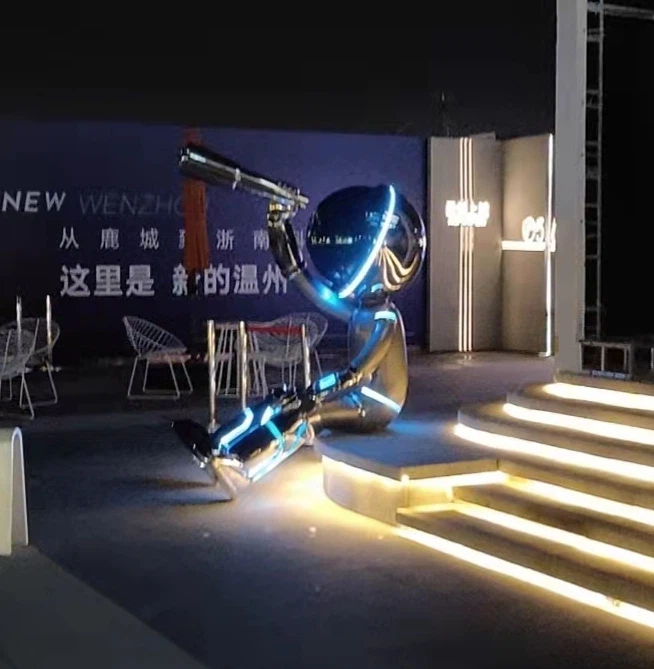
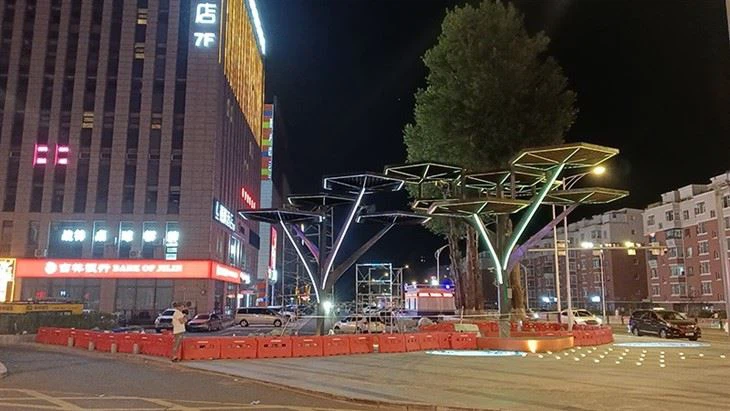
Stainless steel can be fabricated into a variety of shapes and sizes, from simple geometric forms to intricate and detailed designs. It can be cut, welded, and polished to achieve the desired finish. Whether you're looking for a minimalist and contemporary look or a more elaborate and ornate design, stainless steel can provide a solid foundation for your LED light sculpture.
Wood
Wood is a natural and warm material that can add a touch of organic beauty to LED light sculptures. It's a versatile material that can be used in a variety of ways, from creating the structure of the sculpture to adding decorative elements.
One of the advantages of wood is its ability to absorb and diffuse light. When LEDs are placed inside a wooden sculpture, the wood helps to soften the light, creating a warm and inviting atmosphere. Wood also has a unique grain pattern and texture, which can add visual interest and character to the sculpture.
Wood can be carved, sanded, and stained to achieve the desired look. It can be combined with other materials, such as acrylic or stainless steel, to create a hybrid design that combines the best of both worlds. Whether you're looking for a rustic and natural look or a more modern and contemporary design, wood can be a great choice for your LED light sculpture.
Glass
Glass is a beautiful and elegant material that can create a stunning visual effect when used in LED light sculptures. It's a transparent material that allows light to pass through, creating a sense of depth and dimension. Glass can be clear, colored, or textured, giving artists a wide range of options for creating unique and eye-catching designs.
One of the benefits of glass is its ability to refract and reflect light. When LEDs are placed behind a glass panel, the light can be bent and scattered, creating a mesmerizing display of colors and patterns. Glass can also be used to create lenses or prisms, which can focus and direct the light in specific ways.
Glass can be blown, molded, and cut into a variety of shapes and sizes. It can be combined with other materials, such as metal or wood, to create a more complex and interesting design. Whether you're looking for a delicate and ethereal look or a bold and dramatic statement, glass can be a great choice for your LED light sculpture.
Conclusion
As you can see, there are a variety of materials that can be used to create LED light sculptures. Each material has its own unique properties and characteristics, which can be used to achieve different effects and styles. Whether you're looking for a modern and contemporary look or a more traditional and organic design, there's a material out there that can bring your vision to life.
If you're interested in purchasing an LED light sculpture or have a custom design in mind, I'd love to hear from you. As a supplier of LED light sculptures, I have the expertise and experience to help you create the perfect piece for your space. Contact me today to start the conversation and let's bring your ideas to light!
References
- "Materials for LED Light Sculptures." Encyclopedia of Materials Science and Engineering.
- "The Art of LED Light Sculptures." Journal of Contemporary Art and Design.
- "Choosing the Right Material for Your LED Light Sculpture." Lighting Design Magazine.
