


Hey there! As a supplier of corten steel art sculptures, I often get asked about the difference between corten steel art sculptures and traditional steel sculptures. Well, let's dive right in and explore these differences.
1. Material Characteristics
First off, let's talk about the materials. Traditional steel is typically made from iron and carbon, with some other alloying elements in small amounts. It's known for its strength and durability, which is why it's been used in construction and sculpture for ages. But it has a major drawback - it rusts easily when exposed to moisture and oxygen. That's why traditional steel sculptures often need a lot of maintenance, like regular painting or coating to prevent rust.
On the other hand, corten steel, also known as weathering steel, is a special type of alloy. It contains elements like copper, chromium, nickel, and phosphorus. These elements react with the atmosphere to form a stable, rust - like appearance on the surface. This layer, called the patina, acts as a protective barrier, preventing further corrosion. So, corten steel sculptures don't need the same level of maintenance as traditional steel sculptures. They can just sit outdoors, exposed to the elements, and develop a beautiful, natural look over time.
For example, if you have a Corten Steel Moon Sculpture made of corten steel, you don't have to worry about it getting all rusty and falling apart. The patina will form and keep it looking great for years.
2. Aesthetic Appeal
When it comes to looks, traditional steel sculptures usually have a smooth, shiny finish when they're new. They can be polished to a high sheen, which gives them a modern, sleek appearance. This is great for contemporary art installations where a clean, minimalist look is desired. However, as they start to rust, the aesthetic can quickly deteriorate, and they may end up looking unkempt.
Corten steel sculptures, in contrast, have a unique and rustic charm. The patina that forms on the surface gives them a warm, earthy color that ranges from deep red - brown to orange - brown. This natural color change over time adds a sense of history and character to the sculpture. It can blend in beautifully with natural landscapes, making it a popular choice for outdoor public art. A Leaf - shaped Corten Steel Art Sculpture with its rusty patina can look like it's been a part of the environment for ages, as if nature itself created it.

3. Cost
Cost is always an important factor. Traditional steel is generally less expensive than corten steel. The raw materials for traditional steel are more readily available and cheaper to produce. However, when you factor in the long - term costs of maintenance, the picture changes.
Traditional steel sculptures need regular painting, coating, and sometimes even repairs due to rust damage. These maintenance costs can add up over the years. Corten steel sculptures, while more expensive upfront, save you money in the long run because they require little to no maintenance. You don't have to keep spending on paint and labor to keep them looking good. So, if you're thinking about a long - term investment in a sculpture, corten steel might be the more cost - effective option.
4. Fabrication and Workability
In terms of fabrication, traditional steel is easier to work with in some ways. It can be cut, welded, and shaped using standard metalworking tools and techniques. This makes it a popular choice for artists who need to create complex and detailed sculptures. They can use traditional steel to achieve very precise shapes and designs.
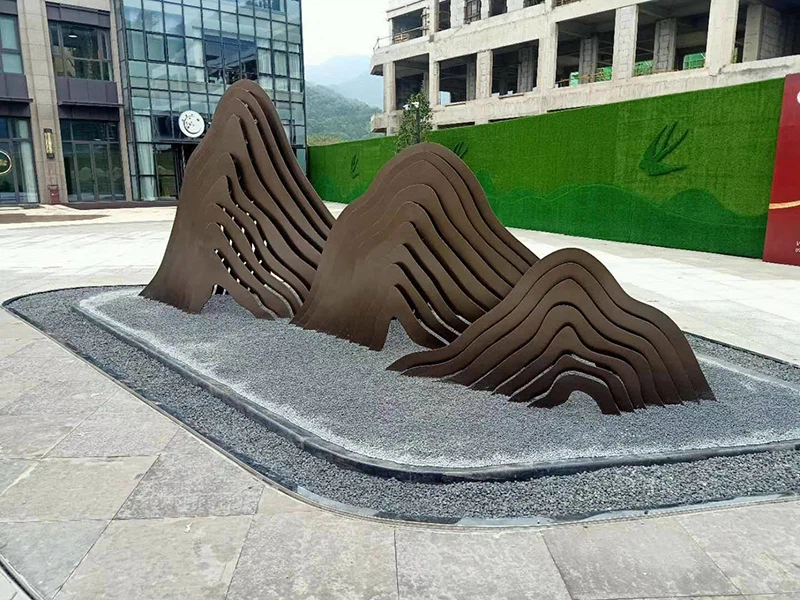
Corten steel, however, has some unique challenges. The alloying elements in corten steel can make it a bit more difficult to weld compared to traditional steel. Special welding techniques and electrodes are often required to ensure a strong and durable weld. But once you get past these challenges, corten steel can be shaped into a wide variety of forms. For instance, a Modern Corten Mountain Design Sculpture can be created with corten steel, using advanced fabrication methods to capture the essence of a mountain range.
5. Environmental Impact
Let's not forget about the environment. Traditional steel production is energy - intensive and can have a significant environmental impact. The mining of iron ore, the processing of raw materials, and the manufacturing of steel all consume large amounts of energy and produce greenhouse gas emissions. And the maintenance of traditional steel sculptures, such as painting, also involves the use of chemicals that can be harmful to the environment.
Corten steel, on the other hand, has a lower environmental impact in the long run. Since it doesn't require regular painting or coating, there's less use of chemical - based products. And because it lasts longer without major repairs, there's less need for new steel production over time. This makes corten steel sculptures a more sustainable choice for environmentally - conscious buyers.
Conclusion
So, there you have it - the main differences between corten steel art sculptures and traditional steel sculptures. Corten steel sculptures offer a unique combination of low maintenance, rustic aesthetic appeal, long - term cost - effectiveness, and environmental sustainability. While traditional steel sculptures have their own advantages, such as ease of fabrication and a sleek initial appearance, they come with the burden of high maintenance costs and a shorter lifespan in outdoor environments.
If you're interested in adding a corten steel art sculpture to your collection, whether it's for a public space, a private garden, or an art gallery, I'd love to talk to you. We have a wide range of corten steel sculptures available, and we can also work with you to create a custom - designed piece. Just reach out, and we can start a conversation about your needs and preferences. Let's bring the beauty of corten steel art into your world!
References
- "Steel: A Material Science Handbook"
- "The Art of Metal Sculpture"
- Industry reports on steel production and environmental impact
