


Restoring old fountain sculptures is a complex and challenging task that requires a deep understanding of art history, materials science, and conservation techniques. As a fountain sculpture supplier, I have witnessed firsthand the difficulties associated with bringing these magnificent artworks back to their former glory. In this blog post, I will explore the various challenges faced in the restoration of old fountain sculptures and discuss the importance of addressing them effectively.
Material Degradation
One of the primary challenges in restoring old fountain sculptures is dealing with material degradation. Over time, exposure to the elements, such as rain, wind, and sunlight, can cause significant damage to the sculpture's surface. Metals may corrode, stone may erode, and plaster may crack or crumble. For example, bronze sculptures are prone to developing a green patina due to oxidation, which can not only affect the aesthetic appearance but also weaken the structure of the metal.
In addition to environmental factors, human activities can also contribute to material degradation. Vandalism, pollution, and improper maintenance can all accelerate the deterioration of fountain sculptures. As a result, restoring these sculptures often involves cleaning, repairing, and stabilizing the damaged materials. This may require the use of specialized cleaning agents, conservation-grade adhesives, and protective coatings to prevent further damage.
Structural Integrity
Another significant challenge in restoring old fountain sculptures is ensuring their structural integrity. Many old sculptures were built using techniques and materials that may not meet modern safety standards. Over time, the weight of the water, the movement of the earth, and the impact of natural disasters can all cause structural damage to the sculpture. Cracks, fractures, and displacements can compromise the stability of the sculpture and pose a safety risk to the public.
To address these issues, restoration experts must conduct a thorough structural assessment of the sculpture. This may involve using non-destructive testing methods, such as ultrasonic testing and ground-penetrating radar, to detect hidden damage. Based on the assessment results, appropriate repair and reinforcement measures can be implemented. This may include installing internal supports, replacing damaged sections, or using advanced engineering techniques to strengthen the structure.
Aesthetic Restoration
Restoring the aesthetic appeal of old fountain sculptures is also a crucial aspect of the restoration process. Many old sculptures have unique artistic features and historical significance that need to be preserved. However, over time, the original colors, textures, and details of the sculpture may have faded or been lost. As a result, restoring the sculpture to its original appearance requires a high level of skill and expertise.
Aesthetic restoration may involve a variety of techniques, such as repainting, gilding, and carving. However, it is important to ensure that these techniques are carried out in a way that is consistent with the original design and materials of the sculpture. This may require extensive research and consultation with art historians, conservators, and other experts to ensure that the restoration work is accurate and authentic.

Water Management
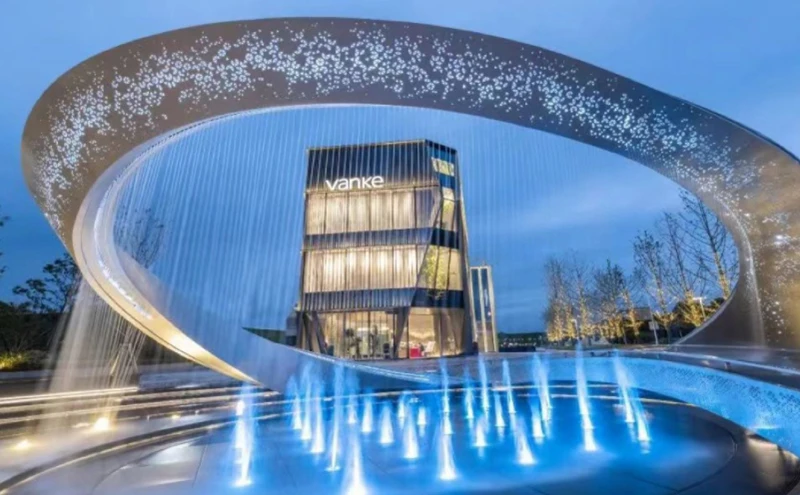
Fountain sculptures are designed to incorporate water features, which can present additional challenges in the restoration process. Over time, the water supply system, plumbing, and pumps of the fountain may become damaged or inefficient. Leaks, blockages, and corrosion can all affect the performance of the fountain and cause water damage to the sculpture.
To address these issues, restoration experts must carefully assess the water management system of the fountain. This may involve repairing or replacing the plumbing, upgrading the pumps, and installing a new water treatment system to ensure the quality of the water. In addition, it is important to ensure that the water flow and pressure are properly regulated to prevent damage to the sculpture.
Historical and Cultural Preservation
Old fountain sculptures often have significant historical and cultural value. They may be important landmarks, symbols of a particular era, or works of art by renowned artists. As a result, restoring these sculptures requires a deep respect for their historical and cultural significance.
During the restoration process, it is important to document the history and condition of the sculpture. This may involve conducting research, taking photographs, and creating detailed reports. In addition, it is important to involve the local community, historians, and cultural institutions in the restoration project to ensure that their perspectives and concerns are taken into account.
Cost and Funding
Restoring old fountain sculptures can be a costly and time-consuming process. The cost of restoration can vary depending on the size, complexity, and condition of the sculpture. In addition, the cost of materials, labor, and equipment can also be significant.
Securing funding for restoration projects can be a challenge, especially for public artworks. Many municipalities and cultural institutions may have limited budgets for art conservation and restoration. As a result, it is important to explore various funding sources, such as grants, donations, and sponsorships. In addition, it is important to develop a realistic budget and timeline for the restoration project to ensure that it is completed within the available resources.
Our Role as a Fountain Sculpture Supplier
As a fountain sculpture supplier, we play an important role in the restoration of old fountain sculptures. We have a team of experienced designers, engineers, and craftsmen who are familiar with the latest techniques and materials in fountain sculpture design and construction. We can provide a range of services, including consultation, design, fabrication, installation, and maintenance of fountain sculptures.
In addition, we offer a wide range of high-quality fountain sculptures, such as the Stainless Steel-made Dandelion Fountain Sculpture, Stainless Steel S-shaped Large-scale Fountain Sculpture, and High-quality Public Space Fountain Sculpture. Our sculptures are made from durable materials and are designed to withstand the test of time. We can also customize our sculptures to meet the specific needs and requirements of our clients.
If you are interested in restoring an old fountain sculpture or purchasing a new fountain sculpture, please feel free to contact us. We will be happy to discuss your project with you and provide you with a free consultation and quote.
Conclusion
Restoring old fountain sculptures is a challenging but rewarding task. It requires a combination of technical expertise, artistic skill, and historical knowledge. By addressing the challenges of material degradation, structural integrity, aesthetic restoration, water management, historical and cultural preservation, and cost and funding, we can ensure that these magnificent artworks are preserved for future generations.
As a fountain sculpture supplier, we are committed to providing high-quality products and services to our clients. We believe that by working together with restoration experts, historians, and cultural institutions, we can make a significant contribution to the preservation of our cultural heritage.
References
- Conservation of Historic Fountains. National Park Service.
- The Art and Science of Sculpture Conservation. Getty Conservation Institute.
- Water Management in Fountain Design and Restoration. International Association of Fountain Professionals.
