


The time required to cast a bronze sculpture can vary significantly based on multiple factors. As a seasoned bronze sculpture supplier, I've witnessed firsthand the diverse timelines that different projects can follow. In this blog, I'll delve into the key elements that influence the casting duration and provide insights into the general process.
Factors Affecting the Casting Time
1. Sculpture Complexity
The complexity of the design is perhaps the most crucial factor determining the casting time. A simple, geometric - shaped bronze sculpture with smooth surfaces and minimal details can be cast relatively quickly. For example, a basic spherical or cubical sculpture may take a few weeks from the start of the process to completion. On the other hand, a highly detailed figurative sculpture, such as a life - sized statue of a person with intricate facial expressions, flowing robes, and delicate hand gestures, can take months or even years.
The more complex the design, the more time is needed for the initial sculpting phase. Artists have to spend countless hours crafting every detail by hand or using advanced digital sculpting tools. Once the initial model is ready, the mold - making process also becomes more challenging. For complex sculptures, multiple molds may be required, and each mold needs to capture the fine details accurately. This precision work takes time and skill.
2. Size of the Sculpture
Size matters when it comes to casting bronze sculptures. Larger sculptures naturally take longer to cast than smaller ones. A small tabletop bronze sculpture, say a few inches in height, can be completed in a matter of weeks. The amount of bronze needed is relatively small, and the mold - making and casting processes are less cumbersome.
However, for large - scale outdoor bronze sculptures, such as those that are several meters tall, the casting process becomes a major undertaking. First, a large - scale model has to be created, which requires more materials and time. The mold - making process for a large sculpture is also more complex, as it needs to be sturdy enough to hold the molten bronze without deforming. Additionally, melting and pouring the large volume of bronze safely and evenly is a time - consuming and technically demanding task.
3. Quantity of Sculptures
If you're ordering a single bronze sculpture, the production timeline will be different from an order of multiple identical sculptures. When making just one piece, the focus is on creating a unique work of art. The artist can take their time to perfect every aspect of the sculpture.
On the contrary, when producing multiple sculptures, there are additional steps involved. After the first master mold is created, it needs to be carefully replicated to ensure that all the subsequent sculptures are consistent in quality and appearance. This replication process takes time, but once it's done, the casting of the remaining sculptures can be relatively faster. However, the overall time for a large - quantity order is still longer than for a single piece due to the extra steps in mold replication and quality control for each individual sculpture.

4. Skill and Experience of the Team
The proficiency of the artists, mold - makers, and casters involved in the project has a significant impact on the casting time. An experienced team that has worked on similar projects before will be able to complete the task more efficiently. They are familiar with the potential challenges that may arise during the process and have developed strategies to overcome them.
For instance, an experienced caster knows exactly how to control the temperature and flow of the molten bronze to avoid defects such as air bubbles or uneven surfaces. An experienced sculptor can work more quickly without sacrificing quality, having mastered the techniques of shaping and detailing bronze. In contrast, a less experienced team may take longer to complete the same project, as they may encounter more problems and need more time to find solutions.
The General Casting Process and Its Timeline
1. Design and Modeling (2 - 8 weeks or more)
The first step in casting a bronze sculpture is the design and modeling phase. This can start with a sketch or a digital concept. If the design is created by hand, the artist will use materials like clay or wax to shape the initial model. For digital designs, 3D modeling software is used.
The time for this phase depends on the complexity of the design. A simple design may take as little as 2 weeks, while a highly detailed and custom - made sculpture could take 8 weeks or even longer. During this time, the artist may also consult with the client to make sure the design meets their expectations.
2. Mold - Making (1 - 4 weeks)
Once the model is finalized, the next step is mold - making. There are different methods of mold - making, such as the lost - wax casting method, which is one of the most common techniques for bronze sculptures. In this method, a mold is created around the wax model.
The time for mold - making varies depending on the size and complexity of the sculpture. A small and simple sculpture may take about 1 week to make the mold, while a large and complex one could take up to 4 weeks. The mold - maker has to ensure that the mold captures all the details of the model accurately and is strong enough to withstand the casting process.
3. Casting (1 - 3 weeks)
After the mold is ready, it's time for the casting process. The bronze is melted in a furnace at a high temperature until it becomes a liquid. Then, the molten bronze is carefully poured into the mold.
The casting process itself usually takes 1 - 3 weeks. This includes the time for melting the bronze, preparing the mold for pouring, and allowing the bronze to cool and solidify. The cooling process is crucial, as it needs to be done slowly to prevent cracking or other defects in the sculpture.
4. Finishing and Patination (1 - 4 weeks)
Once the bronze has cooled and solidified, the sculpture is removed from the mold. It then goes through a finishing process, which includes removing any excess bronze, sanding the surfaces to make them smooth, and adding any final details.
Patination is also an important part of the finishing process. Patination is the process of applying chemicals to the bronze surface to create a desired color and texture, such as a green patina or a brownish - black finish. The time for finishing and patination can range from 1 week for a simple sculpture to 4 weeks for a complex one that requires a more elaborate patination effect.
Our Product Showcase
At our company, we offer a wide range of bronze sculptures, as well as other types of sculptures. For example, you can check out our Modern Mirror - polished Flying Ribbon Sculpture, which features a unique and modern design. The mirror - polished surface gives it a sleek and contemporary look, and it's suitable for both indoor and outdoor spaces.
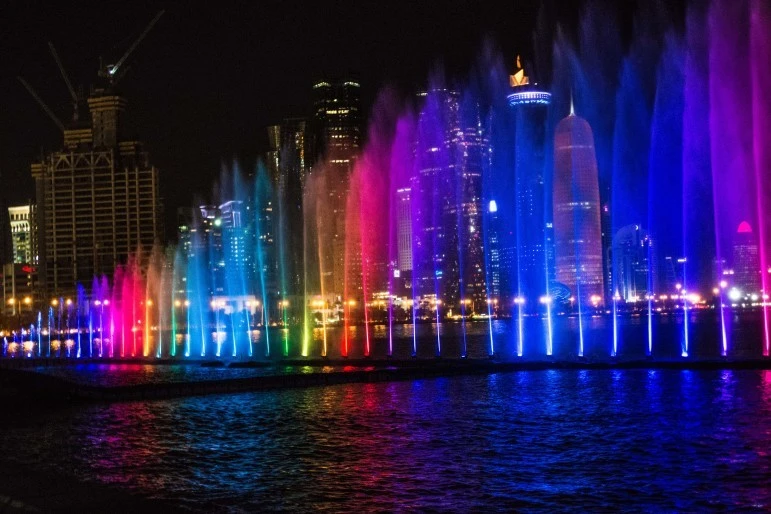
Another interesting product is our Digital Fountain Steel Scupture. This sculpture combines the beauty of art with the functionality of a fountain. The digital design elements make it a standout piece in any outdoor setting.
We also have Life - sized Cartoon Fiberglass Statues that are perfect for adding a touch of fun and playfulness to your space. These statues are made of high - quality fiberglass, which is durable and lightweight.
Contact Us for Purchase and Negotiation
If you're interested in our bronze sculptures or any of our other products, we'd love to hear from you. Whether you have a specific design in mind or need advice on choosing the right sculpture for your space, our team of experts is ready to assist you. We can provide you with detailed information about the casting process, timelines, and pricing.
Don't hesitate to reach out to us for a consultation. We're committed to providing high - quality sculptures and excellent customer service. Start your journey of owning a beautiful bronze sculpture or other art pieces with us today.
References
- "The Art of Bronze Casting" by John Smith, 2018
- "Sculpture Techniques and Processes" by Emily Davis, 2020
- "Modern Trends in Outdoor Sculptures" by Robert Johnson, 2022
