


Mirror sculptures have long fascinated artists, architects, and designers for their unique ability to manipulate and transform the perception of space. As a supplier of high-quality mirror sculptures, I have witnessed firsthand the profound impact these artworks can have on various environments, from public squares to private gardens. In this blog post, I will explore how mirror sculptures change the perception of space and discuss some of the key factors that contribute to their effectiveness.
Reflecting and Expanding Space
One of the most obvious ways mirror sculptures change the perception of space is by reflecting the surrounding environment. When a mirror sculpture is placed in a room or outdoor area, it captures and reflects the light, colors, and shapes of its surroundings, creating the illusion of a larger and more open space. This effect is particularly pronounced in small or enclosed areas, where a mirror sculpture can make the space feel more airy and expansive.
For example, a Stainless Steel Mirror-Finished Garden Dandelion Sculpture placed in a small garden can reflect the greenery, flowers, and sky, making the garden appear larger and more vibrant. Similarly, a mirror sculpture in a narrow hallway can reflect the walls and ceiling, creating the illusion of a wider and more spacious passage.
In addition to expanding the perceived size of a space, mirror sculptures can also create a sense of depth and dimension. By reflecting objects at different distances, a mirror sculpture can add layers to the visual field, making the space feel more complex and interesting. This effect is often used in contemporary art installations to create immersive and interactive experiences for viewers.
Distorting and Manipulating Space
Another way mirror sculptures change the perception of space is by distorting and manipulating the reflected image. Unlike traditional mirrors, which provide a clear and accurate reflection of the world, mirror sculptures can be designed to warp, bend, and twist the reflected image, creating a sense of disorientation and surprise.
For example, an Abstract Circular Möbius Metal Sculpture can create a continuous loop of reflection, where the boundaries between the sculpture and its surroundings become blurred. This effect can make the viewer feel as if they are entering a different dimension, where the rules of space and time are no longer applicable.
Mirror sculptures can also be used to create optical illusions, such as the illusion of infinity or the illusion of movement. By arranging multiple mirrors at different angles, a sculpture can create a series of reflections that appear to recede into the distance, giving the impression of an endless space. Alternatively, a mirror sculpture can be designed to move or rotate, creating a dynamic and ever-changing reflection that captures the viewer's attention.
Creating a Sense of Connection and Interaction
In addition to expanding and distorting space, mirror sculptures can also create a sense of connection and interaction between the viewer and the surrounding environment. When a person looks at a mirror sculpture, they see not only their own reflection but also the reflection of the world around them. This can create a sense of unity and harmony between the individual and their surroundings, as if they are part of a larger whole.
For example, a mirror sculpture placed in a public square can encourage people to interact with each other and with the space. As people walk around the sculpture, they see their own reflections and the reflections of others, creating a sense of community and shared experience. This can help to transform a public space into a vibrant and engaging social hub.

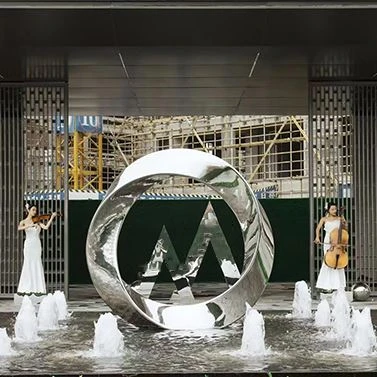
Mirror sculptures can also be used to create a dialogue between art and architecture. By placing a mirror sculpture in a building or a landscape, architects and designers can create a visual connection between the interior and exterior spaces, blurring the boundaries between art and architecture. This can help to enhance the overall aesthetic appeal of a space and create a more memorable and immersive experience for the viewer.
Factors Affecting the Perception of Space
The way mirror sculptures change the perception of space is influenced by a variety of factors, including the size, shape, and placement of the sculpture, as well as the characteristics of the surrounding environment. Here are some of the key factors to consider when using mirror sculptures to transform a space:
- Size and Scale: The size and scale of a mirror sculpture can have a significant impact on the way it is perceived. A large mirror sculpture can dominate a space and create a strong visual impact, while a small sculpture can add a subtle touch of elegance and sophistication. When choosing a mirror sculpture, it is important to consider the size and scale of the space in which it will be placed, as well as the intended effect.
- Shape and Design: The shape and design of a mirror sculpture can also affect the way it reflects and distorts space. A simple, geometric shape can create a clean and modern look, while a more complex and organic shape can add a sense of movement and fluidity. When choosing a mirror sculpture, it is important to consider the overall style and aesthetic of the space, as well as the intended message or theme.
- Placement and Orientation: The placement and orientation of a mirror sculpture can have a significant impact on the way it is perceived. A mirror sculpture placed in a strategic location, such as at the center of a room or at the entrance to a building, can create a focal point and draw the viewer's attention. The orientation of the sculpture can also affect the way it reflects and distorts space, so it is important to experiment with different angles and positions to achieve the desired effect.
- Lighting Conditions: The lighting conditions in a space can also affect the way a mirror sculpture is perceived. Natural light can create a soft and diffused reflection, while artificial light can create a more intense and dramatic effect. When choosing a mirror sculpture, it is important to consider the lighting conditions in the space, as well as the time of day and the season.
Conclusion
Mirror sculptures are a powerful tool for transforming the perception of space. By reflecting, distorting, and manipulating the surrounding environment, these artworks can create the illusion of a larger, more open, and more interesting space. Whether used in a public square, a private garden, or a commercial building, mirror sculptures can add a touch of elegance, sophistication, and creativity to any space.
As a supplier of high-quality mirror sculptures, I am passionate about helping my clients create unique and memorable spaces that inspire and delight. If you are interested in learning more about our products or would like to discuss a custom project, please do not hesitate to contact me. I look forward to hearing from you and working together to bring your vision to life.
References
- Arnheim, R. (1974). Art and Visual Perception: A Psychology of the Creative Eye. University of California Press.
- Gibson, J. J. (1979). The Ecological Approach to Visual Perception. Houghton Mifflin.
- Kellert, S. R., Heerwagen, J. H., & Mador, M. L. (Eds.). (2008). Biophilic Design: The Theory, Science, and Practice of Bringing Buildings to Life. Wiley.
