


Fountain sculptures have long been admired for their aesthetic appeal, adding a touch of elegance and tranquility to various spaces. However, their impact extends beyond the visual realm. In this blog post, I'll delve into how fountain sculptures influence the acoustics of a space. As a supplier of high - quality fountain sculptures, I've witnessed firsthand the diverse effects these pieces can have on the sound environment.
The Basics of Acoustics in a Space
Before discussing the impact of fountain sculptures, it's essential to understand the fundamentals of acoustics. Acoustics refers to the science of sound, including its production, transmission, and reception. In a given space, factors such as the size, shape, and materials of the environment play a crucial role in determining how sound behaves. Hard surfaces, for example, tend to reflect sound waves, causing echoes and reverberation. On the other hand, soft materials like curtains and carpets absorb sound, reducing noise levels.
Sound Production by Fountain Sculptures
Fountain sculptures generate sound primarily through the movement of water. As water cascades, splashes, and trickles, it creates a symphony of natural sounds. The sound of water can vary depending on the design of the fountain. A large, multi - tiered fountain with powerful jets will produce a more robust and dynamic sound compared to a small, gentle bubbling fountain.
The sound of water from a fountain is a form of white noise. White noise contains all frequencies in equal amounts and has a soothing effect on the human ear. It can help mask other unwanted noises in the environment, such as traffic sounds in an urban outdoor space or the hum of machinery in an industrial area. For instance, in a busy city park, a well - placed fountain sculpture can create a buffer of white noise that makes the park a more peaceful and enjoyable place to relax.
Absorption and Diffusion of Sound
Fountain sculptures can also influence the absorption and diffusion of sound in a space. Water has some sound - absorbing properties. When sound waves hit the surface of the water in a fountain, a portion of the sound energy is absorbed. This absorption can help reduce the overall reverberation time in a space.
Diffusion, on the other hand, is the scattering of sound waves in different directions. The irregular movement of water in a fountain, with its splashes and ripples, can act as a natural diffuser. It breaks up the direct path of sound waves, preventing them from bouncing back in a single, concentrated direction. This can lead to a more even distribution of sound in the space, making the acoustics more balanced.
Impact on Different Types of Spaces
Outdoor Spaces
In outdoor settings, fountain sculptures can have a significant impact on acoustics. In a large public square, a fountain can serve as a focal point that not only enhances the visual appeal but also improves the acoustic environment. The sound of the fountain can cover up the noise of pedestrians, vehicles, and other urban sounds. It can create a sense of calm and serenity in the midst of a bustling city.
For example, a High - quality Public Space Fountain Sculpture placed in the center of a town square can transform the square into an acoustic oasis. The water's sound spreads throughout the square, reducing the harshness of the surrounding urban noise and making the space more inviting for social gatherings.
In a garden, a fountain can add a natural and peaceful soundscape. The gentle gurgling of water can blend with the sounds of birds and rustling leaves, creating a harmonious auditory experience. It can also help mask any background noise from neighboring properties, making the garden a private and tranquil retreat.
Indoor Spaces
Indoor spaces can also benefit from the acoustic effects of fountain sculptures. In a large atrium or lobby of a commercial building, a fountain can serve as a unique acoustic element. The sound of water can break the monotony of the indoor environment and add a sense of life and movement.
A Stainless Steel Fountain Sculpture Featuring A School Of Fish in an office lobby can create a pleasant and relaxing atmosphere. The white noise from the fountain can help reduce the distractions caused by office chatter and the noise of equipment. It can also make the space more memorable for visitors, as the combination of visual and acoustic elements leaves a lasting impression.
In a residential setting, an indoor fountain in a living room or a conservatory can provide a calming backdrop. It can help create a cozy and peaceful environment, especially in a noisy neighborhood. The sound of water can also have a therapeutic effect, reducing stress and promoting relaxation.
Design Considerations for Acoustic Impact
When selecting a fountain sculpture for a specific space, several design considerations can optimize its acoustic impact. The size of the fountain is an important factor. A larger fountain will generally produce a louder and more far - reaching sound. However, it's crucial to ensure that the size is appropriate for the space. A too - large fountain in a small room can create an overwhelming sound, while a too - small fountain in a large space may not have a significant acoustic effect.
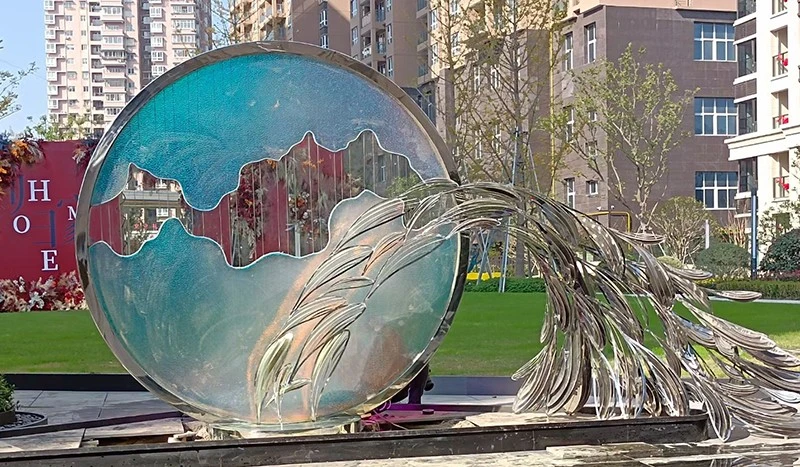
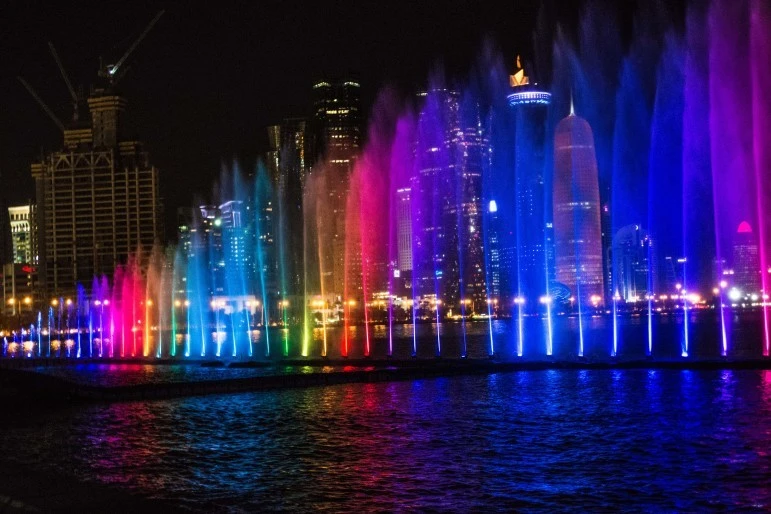
The shape and structure of the fountain also matter. Fountains with multiple levels and different water flow patterns can create a more complex and interesting sound. For example, a fountain with a series of small cascades will produce a gentle, rhythmic sound, while a fountain with a single large jet can create a more dramatic and powerful sound.
The location of the fountain within the space is another critical factor. Placing the fountain in a central location can help distribute the sound more evenly. However, in some cases, placing it near a wall or a corner can enhance the sound reflection and diffusion, creating a more immersive acoustic experience.
Our Range of Fountain Sculptures
As a supplier of fountain sculptures, we offer a wide variety of designs to meet different acoustic and aesthetic needs. Our Digital Fountain Steel Scupture is a modern and innovative option. It combines advanced technology with a sleek design, creating a unique soundscape. The digital control allows for precise adjustment of the water flow, enabling you to customize the sound according to your preferences.
Our Stainless Steel Fountain Sculpture Featuring A School Of Fish is not only visually stunning but also has excellent acoustic properties. The flowing water around the fish - shaped elements creates a gentle and soothing sound that can enhance any indoor or outdoor space.
Our High - quality Public Space Fountain Sculpture is designed to make a statement in large outdoor areas. It is engineered to produce a powerful and dynamic sound that can cover a wide area, effectively masking unwanted urban noises.
Conclusion
Fountain sculptures are not just beautiful art pieces; they are also powerful acoustic tools. They can transform the sound environment of a space, creating a more peaceful, enjoyable, and balanced acoustic experience. Whether it's an outdoor public space or an indoor commercial or residential area, the right fountain sculpture can make a significant difference.
If you're interested in exploring how our fountain sculptures can enhance the acoustics of your space, we invite you to contact us for a consultation. We'll work with you to select the perfect fountain sculpture that meets your acoustic and aesthetic requirements. Let's create a harmonious and inviting space together.
References
- Beranek, Leo L. "Acoustics." American Institute of Physics, 1954.
- Rossing, Thomas D. "The Science of Sound." Addison - Wesley, 1990.
- Barron, M. Richard. "Noise and Vibration Control Engineering: Principles and Applications." Wiley, 2003.
