


As a supplier of Corten steel artwork, one question I often encounter is whether Corten steel art can be used in coastal areas. This is a valid concern, considering the unique environmental conditions of coastal regions. In this blog post, I'll explore the viability of using Corten steel artwork in such areas, weighing the pros and cons based on scientific facts and real - world experience.
Understanding Corten Steel
Corten steel, also known as weathering steel, is a group of steel alloys developed to eliminate the need for painting. It forms a stable rust - like appearance when exposed to the elements. This patina acts as a protective layer, preventing further corrosion and extending the lifespan of the steel. The chemical composition of Corten steel includes elements such as copper, chromium, and nickel, which contribute to its weather - resistant properties.
Advantages of Using Corten Steel Artwork in Coastal Areas
1. Natural Resistance to Corrosion
The primary advantage of Corten steel in coastal areas is its natural resistance to corrosion. The patina that forms on the surface acts as a barrier, protecting the underlying steel from the harsh salt - laden air. Salt in the coastal environment is a major cause of corrosion for many metals. However, Corten steel's ability to form a self - healing patina can withstand the corrosive effects of salt spray better than regular steel. For example, in a study published in the Journal of Materials Science, it was found that Corten steel showed significantly less corrosion in a salt - fog test compared to traditional carbon steel.
2. Aesthetic Appeal
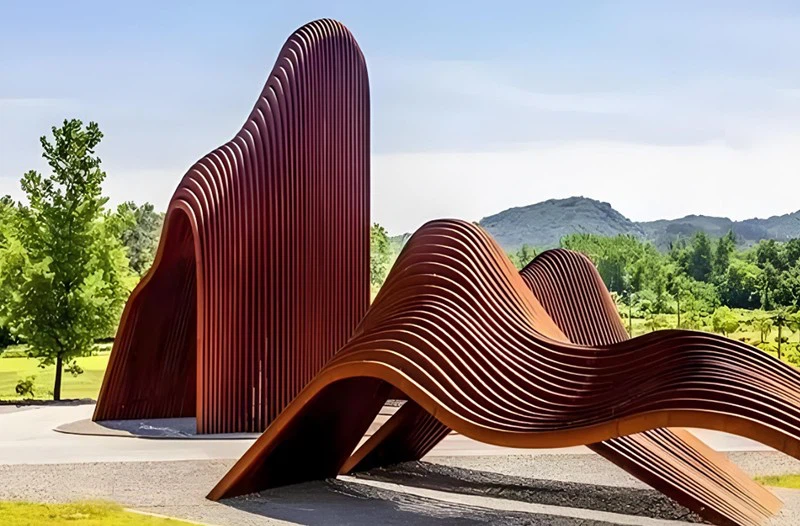
Corten steel's rusty, warm color adds a unique and rustic charm to the coastal landscape. The changing colors over time, from a bright orange to a deeper, more muted brown, can complement the natural beauty of the sea and the sandy beaches. Our Corten Steel Garden Art Sculpture can create a striking contrast against the blue sky and the ocean, enhancing the overall aesthetic of the coastal area.
3. Durability
Corten steel is known for its durability. It can withstand strong winds, heavy rains, and other extreme weather conditions commonly found in coastal areas. This makes it suitable for large - scale art installations that need to remain in place for long periods. Our Modern Corten Mountain Design Sculpture is a great example of a durable Corten steel artwork that can endure the coastal climate.
Challenges of Using Corten Steel Artwork in Coastal Areas
1. Accelerated Corrosion in High - Salt Environments
Although Corten steel is corrosion - resistant, extremely high levels of salt in the air can accelerate the corrosion process. In areas close to the shoreline where the salt concentration is very high, the patina may not form as effectively, leading to more rapid deterioration of the steel. A research project conducted by a coastal engineering institute found that Corten steel artworks placed within 100 meters of the shoreline showed signs of more severe corrosion compared to those placed further inland.
2. Maintenance Requirements
Even though Corten steel is low - maintenance, it still requires some attention in coastal areas. Periodic cleaning may be necessary to remove salt deposits and other debris that can accumulate on the surface. If not cleaned regularly, these deposits can interfere with the formation of the protective patina.
3. Structural Integrity in Extreme Weather
Coastal areas are prone to extreme weather events such as hurricanes and tsunamis. While Corten steel is durable, these extreme forces can pose a risk to the structural integrity of the artwork. Adequate anchoring and structural design are essential to ensure that the art pieces can withstand these forces.

Mitigation Strategies
1. Proper Placement
One of the most effective ways to mitigate the challenges is to carefully choose the placement of the Corten steel artwork. Placing the art pieces further inland, away from the direct impact of salt spray, can significantly reduce the rate of corrosion. For example, positioning the Leaf - shaped Corten Steel Art Sculpture in a garden or a park slightly inland can protect it from the harshest coastal conditions.
2. Regular Maintenance
As mentioned earlier, regular maintenance is crucial. This includes cleaning the artwork with fresh water to remove salt deposits and inspecting it for any signs of damage or excessive corrosion. A maintenance schedule should be established based on the specific location and environmental conditions of the coastal area.
3. Reinforced Structural Design
For larger art installations, a reinforced structural design is necessary. This may involve using additional supports and anchors to ensure that the artwork can withstand extreme weather events. Consulting with a structural engineer can help in designing a robust and safe installation.
Conclusion
In conclusion, Corten steel artwork can be used in coastal areas, but it comes with both advantages and challenges. The natural corrosion resistance, aesthetic appeal, and durability of Corten steel make it an attractive option for coastal art installations. However, the high - salt environment and extreme weather conditions in coastal regions require careful consideration and appropriate mitigation strategies.
If you're interested in incorporating Corten steel artwork into your coastal project, I encourage you to reach out to discuss your specific needs. We can work together to design and install Corten steel art that not only enhances the beauty of the coastal area but also stands the test of time.
References
- Journal of Materials Science - Study on corrosion resistance of Corten steel in salt - fog test.
- Coastal engineering institute research project on corrosion of Corten steel in coastal areas.
